


Intergenerational solidarity will be one of the greatest challenges facing social policy in the 21st century.
One of the still unresolved issues relating to the falling birth rate is the failure of family policy to focus on the links with the labour market.
Sustainable development is a situation in which present generations do not live at the expense of future generations.
A key factor in raising the standard of living and prosperity in Poland is effective management, both at the level of the basic units of the state – municipalities and districts – and within the enterprises themselves
A modern pension system should replace the retirement age rule with a system based on accumulated contributions. This will make the labour market more flexible and ensure that its market value is reflected more accurately.
Financial stability
is a public good
(S. Kluza 2006)
The economy is people
(S. Kluza 2006)
Competition for human capital will be both the greatest opportunity and the greatest risk for the civilisational development of nations and regions in the 21st century.
Modern states will compete internationally on the basis of the living conditions they provide for their societies
The role of the state is to ensure regulatory balance in the financial sector. Too much or too little regulation results in a slowdown in the economy or increased instability in the financial sector.
Debate
Debates
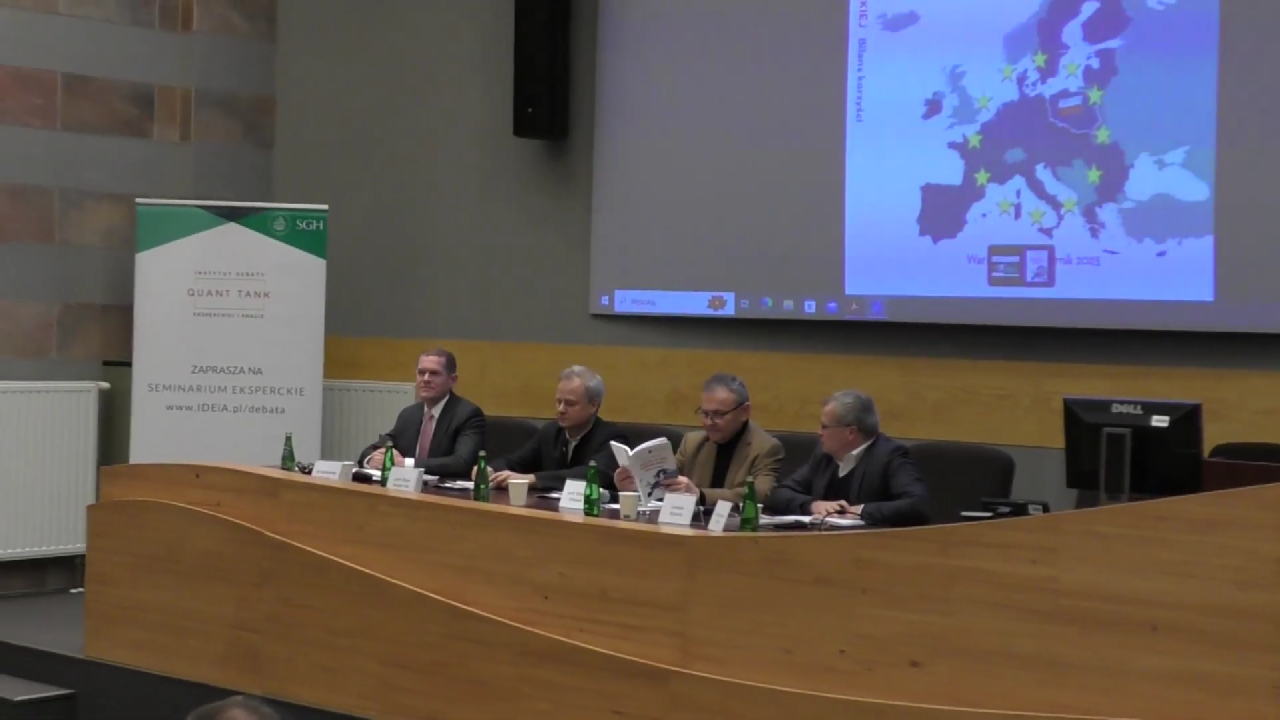
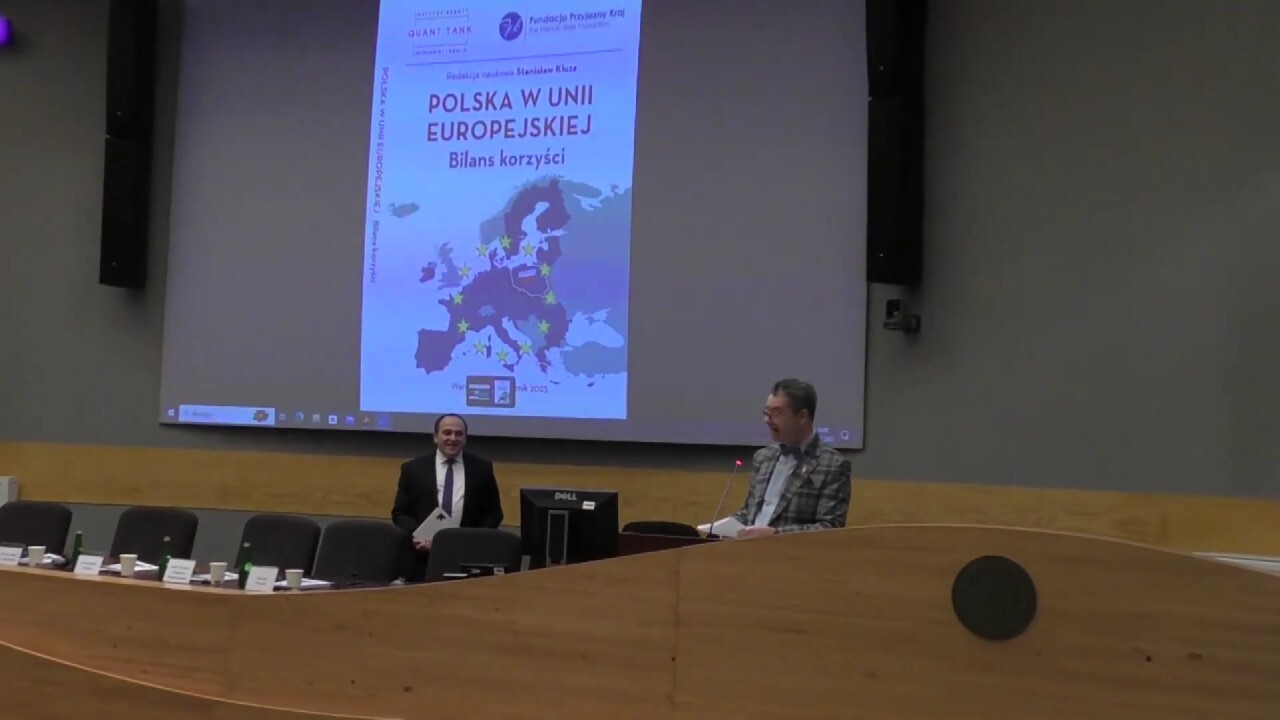

Poland in the European Union: A Balance of Benefits
Poland began its systemic transformation as one of the economically weakest post-socialist countries. Clear signposts pointing toward market reforms and systemic transformation led Poland to turn toward Western European standards. In 1994, Poland applied to join the European Union and became a member of the Community ten years later. In 2024, we will celebrate the 20th anniversary of this membership, a fitting occasion to take stock of the benefits of EU membership for Poland’s development, as well as the opportunities to set goals and address challenges in the years ahead.